How to Dress for Your Body Type: A Complete Guide

In the ever-evolving world of fashion, finding the perfect outfit that flatters your unique body shape can feel like a daunting task. However, with the right knowledge and a little bit of self-awareness, you can unlock the secrets to dressing in a way that accentuates your best features and makes you feel confident and beautiful. Welcome to the ultimate guide on how to dress for your body type.
Understanding Body Types
Before we dive into the specifics of dressing for your shape, it's essential to understand the different body type categories. Knowing your body type will serve as the foundation for making informed fashion choices that work in your favor.
The five main body types are:
- Hourglass
- Pear
- Apple
- Rectangle
- Inverted Triangle
Each of these body types has its own set of characteristics and unique styling considerations. By identifying your shape, you can tailor your wardrobe to flatter your figure and enhance your natural assets.
Identifying Your Body Type
Determining your body type can be a straightforward process, but it's important to approach it with an open and honest mindset. Avoid comparing yourself to unrealistic beauty standards or making assumptions based on societal norms. Instead, focus on objectively assessing your proportions and identifying the features that best define your shape.
Measuring Techniques
One of the most reliable ways to determine your body type is to take accurate measurements. Grab a tape measure and follow these steps:
- Measure your bust at the fullest part, usually around the nipple line.
- Measure your waist at the narrowest point, typically just above your hip bones.
- Measure your hips at the fullest part, usually around the widest part of your buttocks.
Compare these measurements to identify which body type category you fall into.
Self-Assessment Guide
In addition to taking measurements, you can also conduct a visual self-assessment to get a better understanding of your body shape. Stand in front of a full-length mirror and observe the following:
- The relationship between your bust, waist, and hips
- The overall balance and proportion of your upper and lower body
- The presence or absence of a defined waistline
- The width of your shoulders compared to your hips
By carefully analyzing these physical characteristics, you can start to pinpoint your body type and make more informed fashion choices.
Dressing Strategies for Each Body Type
Now that you've identified your body type, it's time to explore the specific styling strategies that will help you look and feel your best. Remember, the goal is to accentuate your assets and create a balanced, harmonious silhouette.
Hourglass Body Type
As the name suggests, the hourglass body type is characterized by a well-defined waistline and proportionate bust and hips. To flatter this shape, focus on:
- Cinching the waist with belts, tailored tops, and dresses
- Choosing form-fitting, structured fabrics that skim the body
- Opting for V-necklines and scoop necks to draw attention to the upper body
- Experimenting with high-waisted bottoms and tucked-in tops
Pear Body Type
Pear-shaped individuals have wider hips and a smaller bust. To balance this proportion, consider:
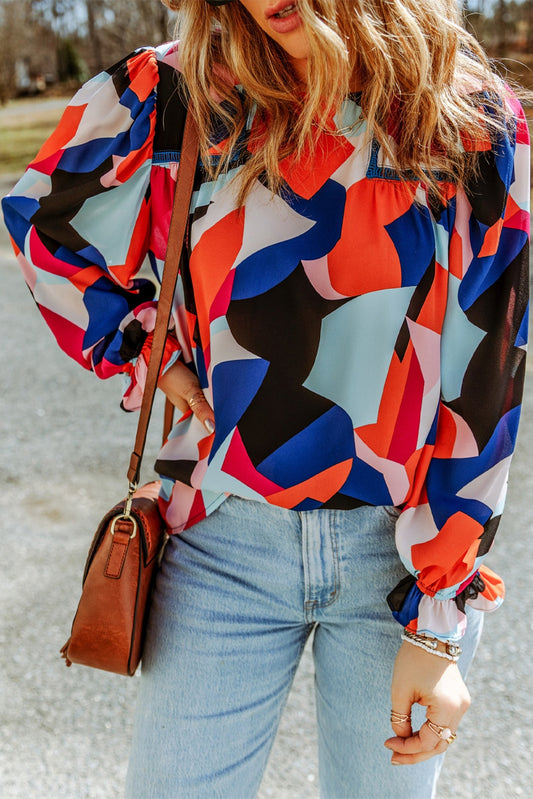
- Emphasizing the upper body with statement sleeves, shoulder-accentuating tops, and V-necklines
- Choosing A-line skirts and dresses that skim over the hips
- Opting for bootcut or flared jeans to create a harmonious silhouette
- Avoiding tight-fitting bottoms that cling to the hips
Apple Body Type
Those with an apple body type carry more weight in the midsection, with a less defined waistline. To create a slimmer, more streamlined appearance, focus on:
- Wearing tops that skim over the midsection, such as empire-waist blouses and A-line dresses
- Choosing high-waisted bottoms that draw the eye upward
- Experimenting with vertical stripes and patterns to create a lengthening effect
- Avoiding tight-fitting clothing that accentuates the midsection
Rectangle Body Type
Individuals with a rectangle body type have a straight, athletic build with minimal waist definition. To create the illusion of curves, consider:
- Incorporating belts, sashes, and waist-cinching details to define the midsection
- Opting for tops with ruffles, pleats, or embellishments to add visual interest
- Choosing flared or A-line skirts and dresses to balance the proportions
- Experimenting with high-low hemlines and asymmetrical designs
Inverted Triangle Body Type
Those with an inverted triangle body type have broader shoulders and a narrower waist and hips. To create a more balanced silhouette, focus on:
- Choosing tops with details like ruffles, peplums, or embellishments to add volume to the lower body
- Opting for bootcut or flared jeans and wide-leg trousers to balance the upper body
- Selecting A-line skirts and dresses that skim over the hips
- Avoiding overly structured or tailored tops that can emphasize the broad shoulders
Wardrobe Essentials
Regardless of your body type, there are certain wardrobe essentials that can serve as the foundation for a versatile and flattering closet. These include:
Foundational Pieces
- Well-fitting, high-quality basics like t-shirts, tanks, and button-down shirts
- Tailored trousers, skirts, and dresses that complement your shape
- Versatile outerwear like blazers, cardigans, and jackets
Tailoring and Fit
Proper fit is crucial for achieving a polished, flattering look. Invest in professional alterations to ensure your clothing accentuates your best features.
Color and Pattern Selection
Experiment with color and pattern to create visual interest and balance. Darker shades can be slimming, while lighter hues and vertical stripes can create the illusion of height.
Accessorizing and Styling
Accessories and styling techniques can play a significant role in enhancing your overall appearance and boosting your confidence. Consider the following strategies:
Choosing the Right Accessories
Scarves, belts, jewelry, and handbags can all be used to draw attention to your favorite features and create a cohesive, polished look.
Creating Visual Balance
Experiment with proportions and silhouettes to achieve a balanced, harmonious appearance. For example, pairing a fitted top with a flowy, A-line skirt can create a flattering hourglass illusion.
Confidence-Boosting Techniques
Ultimately, the key to dressing for your body type is to embrace your unique shape and feel confident in your own skin. Experiment with different styles, pay attention to how you feel in your clothing, and don't be afraid to step out of your comfort zone.
Common Styling Mistakes to Avoid
While there are numerous ways to dress for your body type, it's also important to be aware of common styling pitfalls to steer clear of. These include:
Ill-Fitting Clothing
Wearing clothing that is too tight or too loose can be unflattering and uncomfortable. Invest in proper tailoring and pay attention to the fit of your garments.
Ignoring Proportions
Failing to consider the balance and proportion of your outfit can result in a disjointed, unflattering look. Be mindful of how different elements of your ensemble work together.
Overlooking Undergarments
The right undergarments can make a significant difference in the way your clothing fits and flatters your figure. Invest in well-fitting bras, shapewear, and other foundational pieces.
Conclusion
Embracing your body type and dressing in a way that accentuates your unique features is the key to feeling confident and beautiful. By understanding the characteristics of your shape, implementing strategic styling techniques, and building a versatile wardrobe, you can unlock your personal style and showcase your natural assets with ease.
Remember, the journey of self-discovery and fashion exploration is an ongoing one. Embrace the process, experiment with different looks, and most importantly, have fun with it. Your confidence and personal style will shine through, and you'll be well on your way to becoming the best version of yourself.